
Is Vaping Better Than Smoking? Pros, Cons & Health Facts
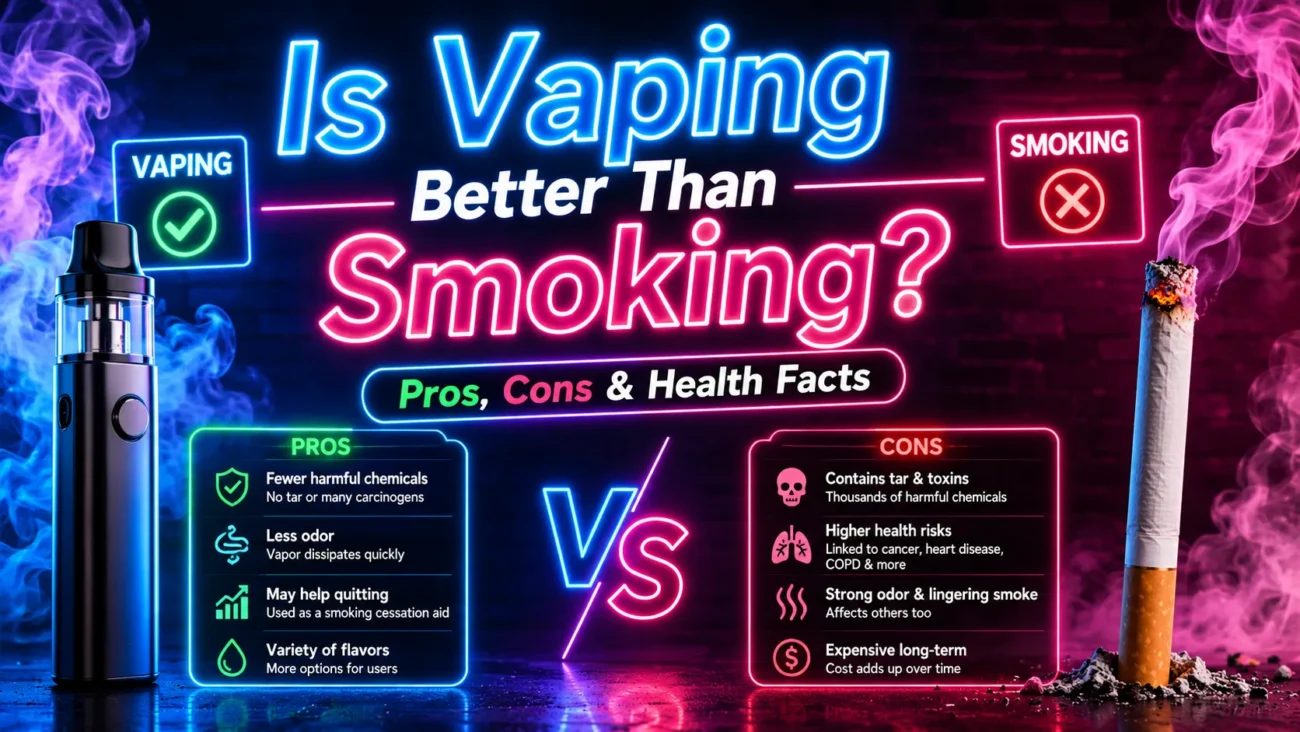
The debate around vaping vs smoking has become one of the biggest health discussions in recent years. Many smokers switch to vapes believing they are a safer alternative to traditional cigarettes, while others start vaping because of trendy flavors, stylish devices, and social media influence. But the real question still remains: Is vaping actually better than smoking, or is it just another harmful habit in a different form?
Traditional cigarettes contain thousands of toxic chemicals that are directly linked to serious diseases like lung cancer, heart disease, and breathing problems. Smoking damages nearly every organ in the body and remains one of the leading causes of preventable deaths worldwide. Vaping, on the other hand, works differently by heating e-liquid instead of burning tobacco. Because there is no combustion, many experts believe vaping may expose users to fewer harmful toxins compared to cigarettes. That sounds positive at first, but vaping is far from risk-free.
Recent studies have raised concerns about the long-term health effects of vaping, including lung irritation, nicotine addiction, heart complications, and possible cancer risks. Young people are especially vulnerable because many disposable vape products contain high nicotine levels and attractive flavors that make addiction easier. Some research even suggests that people who vape may eventually continue smoking cigarettes alongside vaping, creating a dangerous double habit.
Understanding the pros, cons, and health facts behind vaping and smoking is important before making decisions about your health. In this article, we will break down the real differences between smoking and vaping, compare their health risks, discuss expert opinions, and explore whether vaping is truly a safer option or simply a modern version of nicotine addiction.
Understanding the Difference Between Smoking and Vaping
Before comparing vaping and smoking, it’s important to understand how both actually work. Traditional cigarettes burn dried tobacco leaves, creating smoke that carries nicotine into the lungs. This burning process is called combustion, and it produces thousands of chemicals. Many of these chemicals, including tar and carbon monoxide, are directly linked to cancer and heart disease. Every puff of cigarette smoke acts like a cloud of toxic particles entering the body. Over time, those particles damage the lungs, blood vessels, and organs little by little until serious disease develops.
Vaping works differently. Vape devices heat a liquid called e-liquid or vape juice into an aerosol that users inhale. This liquid usually contains nicotine, flavorings, propylene glycol, vegetable glycerin, and other chemicals.
Since there is no tobacco burning involved, vaping generally produces fewer harmful toxins compared to cigarettes. That is one reason many smokers switch to e-cigarettes. However, fewer toxins does not mean zero danger. Studies now show that vape aerosols can contain heavy metals like lead and nickel along with cancer-linked chemicals such as formaldehyde.
The biggest similarity between smoking and vaping is nicotine addiction. Nicotine acts like a hook in the brain. It releases dopamine, creating short-term pleasure and relaxation. But the brain quickly becomes dependent on it. Whether it comes from cigarettes or vapes, nicotine can raise blood pressure, increase heart rate, and make quitting extremely difficult. This is why many people who switch to vaping still struggle with long-term addiction.
Why People Switch From Smoking to Vaping
One major reason people move toward vaping is the widespread belief that it is safer than smoking. Vape companies marketed e-cigarettes as modern alternatives that help smokers avoid harmful tobacco smoke. The devices also look more attractive and less messy than traditional cigarettes. There is no ash, no strong smoke smell, and users can choose from hundreds of flavors. For many people, vaping feels cleaner and more socially acceptable.
Social media has played a massive role in vaping’s popularity. Influencers, celebrities, and online trends often portray vaping as stylish or harmless. Teenagers especially became interested because of fruity flavors and compact disposable vape designs.
Recent reports show vaping rates continue to rise among young adults even as cigarette smoking declines. This shift has worried doctors because many young users never smoked cigarettes before trying vapes.
Another reason smokers switch is because some studies suggest vaping may help reduce cigarette use. Research highlighted in recent medical reports found that nicotine-based e-cigarettes helped some adult smokers quit traditional cigarettes more successfully than nicotine-free alternatives. Still, experts caution that many users simply become “dual users,” meaning they both smoke and vape. That combination can increase exposure to toxins rather than reduce it.
Vaping can feel like trading a roaring fire for a smaller flame. The danger may decrease in some areas, but the risk has not disappeared. Many people underestimate how addictive vaping can become because the devices seem smoother and easier to use than cigarettes.
Chemicals Found in Cigarettes vs Vapes
Cigarettes are packed with toxic substances. When tobacco burns, it creates more than 7,000 chemicals. According to health experts, at least 70 of these are known cancer-causing chemicals. Tar is one of the most dangerous substances because it sticks inside the lungs like black glue. Carbon monoxide reduces oxygen in the blood, forcing the heart to work harder. Cigarette smoke also contains arsenic, ammonia, benzene, and formaldehyde. These chemicals slowly damage the body over time.
Vapes do not contain tar because there is no combustion. That is one reason many experts say vaping is likely less harmful than smoking. However, vape aerosol is far from harmless. Studies found vape users can inhale ultrafine particles, heavy metals, volatile organic compounds, and harmful flavoring chemicals. Some disposable vapes may even expose users to higher levels of certain metals than expected.
The danger with vaping is that scientists still do not fully understand the long-term effects. Cigarettes have been studied for decades, so their risks are clear. Vaping is newer, meaning researchers are still discovering what happens after years of regular use. Early evidence already points toward inflammation, lung tissue damage, and DNA mutations connected to cancer development.
Here’s a simple comparison:
| Factor | Smoking | Vaping |
| Tobacco Burning | Yes | No |
| Tar Production | High | None |
| Nicotine | Yes | Usually Yes |
| Cancer-Causing Chemicals | Very High | Lower but Present |
| Strong Smoke Smell | Yes | Less |
| Long-Term Studies | Extensive | Still Developing |
| Addiction Risk | Very High | Very High |
This comparison explains why some health experts consider vaping less harmful than cigarettes while still warning people against using either product.
Health Effects of Smoking
Smoking remains one of the leading causes of preventable death worldwide. Cigarette smoke attacks nearly every organ in the body. The lungs suffer first because smoke damages airways and tiny air sacs called alveoli. Over time, smokers may develop chronic bronchitis, emphysema, or chronic obstructive pulmonary disease (COPD). Breathing becomes difficult, even during simple activities like climbing stairs or walking.
Cancer risk is one of the biggest dangers linked to smoking. Lung cancer is strongly associated with cigarette use, but smoking also increases the risk of throat cancer, mouth cancer, bladder cancer, and pancreatic cancer. Imagine constantly exposing your body to tiny sparks that slowly burn healthy cells. That is essentially what toxic cigarette chemicals do over many years.
Smoking also harms the heart and blood vessels. Nicotine raises blood pressure while carbon monoxide reduces oxygen supply. This combination increases the risk of heart attacks and strokes. Smokers often experience reduced circulation, which can lead to cold hands, poor healing, and increased cardiovascular disease. According to medical experts, nearly one-third of heart disease deaths are linked to smoking and secondhand smoke exposure.
The effects go beyond physical disease. Smoking affects appearance too. It can stain teeth, age skin faster, cause bad breath, and reduce fitness levels. Many smokers also struggle financially because cigarette addiction becomes expensive over time. The overall damage from smoking is well-documented, which is why public health organizations continue to push for quitting programs globally.
Health Effects of Vaping
Vaping may avoid some of the toxic smoke found in cigarettes, but it still affects the body in serious ways. One of the biggest concerns is lung irritation. Vape aerosols contain chemicals that can inflame airways and damage lung tissue. Some users experience coughing, chest tightness, wheezing, or shortness of breath after regular vaping. Cases of severe lung injury linked to vaping have also been reported in recent years.
Nicotine addiction remains another major problem. Many vape products contain extremely high nicotine concentrations. Some users unknowingly consume more nicotine while vaping than they did while smoking cigarettes.
Nicotine affects the brain’s reward system, making users crave repeated hits throughout the day. Teenagers are especially vulnerable because their brains are still developing. Researchers warn nicotine exposure during adolescence can impact attention, learning, and impulse control.
Recent studies are also raising cancer concerns. Scientific reviews published in 2026 suggest vaping may expose users to carcinogenic chemicals capable of damaging DNA in the mouth and lungs. While long-term human evidence is still limited, experts increasingly believe vaping is not a risk-free alternative.
There’s also the issue of dual use. Some people vape in places where smoking is banned but continue smoking cigarettes too. Instead of quitting nicotine, they simply increase overall exposure. This pattern can make addiction even stronger. Health professionals stress that completely quitting nicotine products remains the healthiest choice.
Is Vaping Really Safer Than Smoking?
This is the question most people care about. Based on current research, many health experts agree that vaping is likely less harmful than smoking traditional cigarettes because it avoids tobacco combustion. Cigarettes release massive amounts of toxic smoke and tar, which directly cause severe disease. Vaping generally exposes users to fewer harmful chemicals.
But “less harmful” does not mean “safe.” That distinction matters. It’s similar to comparing jumping from the tenth floor versus the fifth floor. One option may reduce damage, but both still involve danger. Health organizations continue warning that vaping can lead to addiction, lung problems, and possible long-term disease risks.
Medical experts from institutions like Johns Hopkins Medicine emphasize that vaping should never be recommended to non-smokers, teenagers, or young adults. Recent scientific reviews also found growing evidence connecting vaping to oral and lung cancer risks.
At the same time, some researchers believe vaping may help adult smokers transition away from cigarettes under medical supervision. A 2026 study found smokers using nicotine-based e-cigarettes were more likely to quit smoking than those using nicotine-free devices. This creates a complicated reality: vaping might reduce harm for existing smokers, but starting vaping without previously smoking can still create serious health problems.
Pros and Cons of Vaping
Potential Benefits for Adult Smokers
For long-term smokers unable to quit, vaping may provide certain harm-reduction benefits. Because there is no tobacco combustion, users are generally exposed to fewer harmful toxins than cigarette smokers. Many former smokers report improved breathing, reduced coughing, and better physical endurance after switching completely from cigarettes to regulated vape products.
Vapes also produce less lingering odor compared to cigarette smoke. Clothes, homes, and cars often smell cleaner. Some people appreciate the ability to gradually reduce nicotine levels over time, using vaping as a transition tool toward quitting entirely.
Major Risks and Concerns
Despite these possible advantages, vaping still carries serious downsides. Nicotine addiction remains extremely strong, especially with high-concentration disposable devices. Young people who vape may eventually transition into cigarette smoking rather than avoiding it.
There are also growing concerns about lung inflammation, heart strain, and potential cancer risks. Many vape products contain flavoring chemicals never intended for inhalation. The long-term consequences of breathing these aerosols daily remain uncertain.
Another issue is regulation. Illegal or unregulated vape products may contain unsafe ingredients. Cases of vaping-related lung injury have often involved black-market or modified vape liquids. This uncertainty makes vaping a risky habit rather than a harmless one.
Pros and Cons of Smoking
Smoking has very few health advantages and many well-established dangers. Cigarettes deliver nicotine quickly, which some smokers find calming or stress-relieving. But that short-term feeling comes at a heavy long-term cost.
The biggest disadvantages include:
- Increased cancer risk
- Heart disease
- Stroke
- Chronic lung disease
- Reduced life expectancy
- Strong nicotine addiction
- Damage to skin, teeth, and circulation
Unlike vaping, smoking’s risks are already proven through decades of scientific evidence. There is little debate among doctors about cigarette harm. Smoking remains one of the deadliest lifestyle habits worldwide.
Vaping vs Smoking Comparison Table
| Feature | Vaping | Smoking |
| Contains Tobacco | Usually No | Yes |
| Produces Tar | No | Yes |
| Nicotine Addiction | High | High |
| Cancer Risk | Possible/Developing Evidence | Extremely High |
| Lung Damage | Yes | Severe |
| Heart Risk | Yes | Severe |
| Smell | Mild | Strong |
| Long-Term Research | Limited | Extensive |
| Popular Among Teens | Very High | Lower Than Before |
| Safer Option | Possibly Less Harmful | More Harmful |
Can Vaping Help You Quit Smoking?
For some adult smokers, vaping may act as a stepping stone toward quitting cigarettes. Certain studies show nicotine-based e-cigarettes can reduce cigarette cravings and improve smoking cessation success rates. This is why some doctors view vaping as a possible harm-reduction strategy for heavy smokers who fail with traditional quitting methods.
The problem is that many people never fully quit nicotine. Instead, they continue vaping long after stopping cigarettes. Others become dual users, mixing smoking and vaping together. This pattern may keep addiction alive for years.
Experts usually recommend FDA-approved smoking cessation tools first, such as nicotine patches, gum, counseling, or prescription medications. Vaping should not be viewed as a completely safe quitting method. The healthiest outcome is quitting both smoking and vaping entirely.
The Impact of Vaping on Teenagers
Teen vaping has become one of the biggest public health concerns in recent years. Fruity flavors, colorful packaging, and social media marketing make vape products highly appealing to younger audiences. Many teens believe vaping is harmless compared to cigarettes, but doctors strongly disagree.
Nicotine exposure during adolescence can affect memory, focus, and emotional development. Young brains are more sensitive to addiction, which means teenagers may become dependent faster than adults. Some studies also suggest teens who vape are more likely to eventually smoke cigarettes later.
Health experts worry society is repeating history. Decades ago, cigarettes were heavily marketed before their dangers became fully understood. Today, vaping may be following a similar path. While the technology looks modern, the addiction risks remain frighteningly familiar.
Final Words
So, is vaping better than smoking? Based on current evidence, vaping is probably less harmful than traditional cigarettes because it avoids tobacco combustion and reduces exposure to certain toxic chemicals. But that does not make vaping healthy or safe. It still exposes users to nicotine addiction, harmful aerosols, and possible long-term disease risks.
For smokers who completely switch from cigarettes to regulated vaping products, there may be some reduction in harm. Yet for non-smokers, teenagers, and casual users, starting vaping introduces unnecessary health risks that can lead to addiction and future disease.
The safest choice is simple: avoid both smoking and vaping whenever possible. Your lungs, heart, and future self will thank you for it.
People Also Ask
Is vaping healthier than smoking cigarettes?
Vaping is generally considered less harmful than smoking because it produces fewer toxic chemicals. However, vaping is still unsafe and may cause addiction and health problems.
Can vaping damage your lungs?
Yes. Studies show vaping can irritate the lungs, cause inflammation, and contribute to breathing problems over time.
Does vaping cause cancer?
Research is still ongoing, but recent studies suggest vaping may expose users to cancer-causing chemicals and DNA damage linked to cancer risks.
Is nicotine in vapes addictive?
Yes. Nicotine in vape products is highly addictive and can affect brain development, especially in teenagers.
Can vaping help smokers quit?
Some adult smokers use vaping to reduce cigarette use, but many users remain addicted to nicotine or continue both habits.
Recent Posts

Where to Buy Maskking Vape in Dubai: Best Online Stores 2026
Feature Benefit Pre-filled e-liquid No messy refilling Compact design Easy to carry High puff count Long-lasting use Flavor variety Better

Why Dubai Vapers Are Ditching Cigarettes for Disposable Vapes
Feature Disposable Vape Refillable Pod System Ease of use Very easy Moderate Cost per use Slightly higher long term More
Top Categories
- Yuoto Vape5 products
- Vozol Vape3 products
- VooPoo Vape8 products
- Vgod Stig2 products
- Vaporesso Vape26 products
- Vapes Bars1 product
- Vape Coils10 products
- Uwell Vape22 products
- Tugboat Vape2 products
- Smok Vape10 products
- Silvaper Vape2 products
- Salt Nicotine1 product
- Pod System53 products
- Pod Salt Vape10 products
- Pod Kit53 products
- Pod Cartridge24 products
- Oxva Vape15 products
- Nerd Vape2 products
- Myle v5 pods12 products
- Myle v5 device4 products
- Myle Disposable1 product
- Myle17 products
- Maskking Vape2 products
- Lost Mary3 products
- Juul pods4 products
- Juul 2 pods14 products
- Juul 2 Kit1 product
- Juul 1 kit1 product
- Juul17 products
- HQD Vape2 products
- Geek Vape6 products
- Geek Bar1 product
- Fummo Vape3 products
- Freebase e-liquid3 products
- Elf Bar Vape6 products
- E-Juice4 products
- Disposable67 products
- Best Seller Vape9 products
- Al Fakher Vape5 products
Recent Products


Ruthless Vape Juice 120mL Freebase 3Mg in UAE
55.00د.إ

Loaded 120mL Vape E-liquid 3mg in UAE
55.00د.إ